
Learn how the DOD SBIR program operates and what financial requirements every awardee must follow from Phase I through audit readiness.
The DOD SBIR program is one of the strongest pathways for small businesses working on advanced research with national impact. It offers funding, structure, and a clear route for turning technical ideas into solutions the government can deploy. This guide explains how the program works and what teams should understand as they move from early research to real-world application.
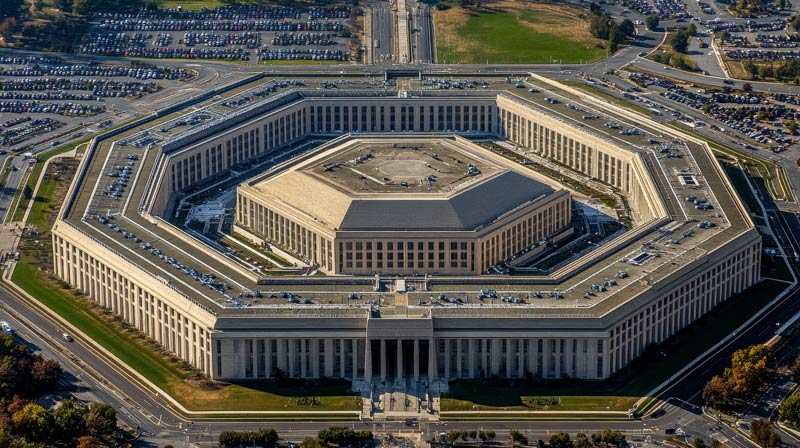
And though the department has recently floated a return to the old Department of War name, in practice, the agency still operates and communicates as the DOD. For clarity, this guide uses the familiar DOD throughout. With that context in mind, here is what innovators should know as they navigate the path from concept to contract.
From Innovation to Implementation
Sentient Science began with a simple question that kept Navy maintainers up at night: how do you know a critical component in a Black Hawk helicopter will last one more mission? Their early SBIR awards helped them build physics-based models that could forecast bearing failures with remarkable accuracy. The work evolved into a tool now used to guide maintenance decisions across military fleets and prevent failures before they occur.
Stories like this highlight what small teams can accomplish with the proper support. They also reveal a side of the journey that many innovators underestimate. The research may be cutting-edge, but the financial requirements of a federal contract can feel unfamiliar. Timekeeping rules, cost allocation, and documentation standards often become the first real obstacles after an award is announced.
The sections ahead explain both the program itself and the accounting expectations that follow. You will see how the DOD SBIR process works and which financial systems are required to remain compliant throughout the award.
What is the DOD SBIR Program?
The DOD SBIR program funds early-stage research and development that supports national security priorities. It gives small businesses a structured path to explore new ideas, develop working prototypes, and transition technology into defense or commercial use.
Program Overview
The DOD operates the most extensive SBIR program in the federal government, with annual funding that typically exceeds $2 billion. Fourteen defense components participate, including the Army, Navy, Air Force, DARPA, CBD, SOCOM, and others, each releasing topics that reflect their specific mission needs.
The program’s mission is to advance innovative R&D that fills capability gaps for the military. Eligible applicants must qualify as small businesses under SBA rules, including being U.S.-owned and operated and having fewer than 500 employees. A related program, STTR, pairs small businesses with universities or research institutions and follows similar requirements with a stronger emphasis on collaboration.
Three-Phase Funding Structure
The DOD uses a phased approach that aligns funding with technical progress.
Phase I
Federal policy allows Phase I awards up to $314,363. This represents the maximum that any SBIR agency may issue without a waiver. Within the DOD, however, individual components often set their own amounts. Navy Phase I topics frequently fall near $140,000 for the base period, while Army topics may range up to $250,000. Most Phase I efforts run between three and 12 months and focus on feasibility and early technical validation.
Phase II
The policy cap for Phase II awards is $2.1 million, with larger amounts possible through approved waivers. As with Phase I, actual budgets vary by component and topic. Many standard DOD Phase II awards fall below the policy maximum, but larger efforts are common when a technology shows strong transition potential. Projects typically run 15 to 24 months and support complete R&D, prototyping, and testing. Companies may also pursue Direct-to-Phase II if they have already completed feasibility work, even if that work occurred outside the SBIR program. Sequential and cross-agency Phase II opportunities are available when multiple components share an interest in the technology.
Phase III
Phase III marks the transition to commercialization and does not use SBIR funds. A Phase III award can come from any defense component or a commercial customer and supports activities such as product delivery, scaling, and deployment. The data rights protections earned in Phases I and II continue into Phase III and strengthen a company’s position when pursuing follow-on contracts.
How DOD SBIR Differs from Other Programs
The DOD’s structure differs significantly from other federal agencies that issue SBIR funding.
Unlike the National Science Foundation or the National Institutes of Health, the DOD uses contracts rather than grants. Contracting brings more detailed requirements and a higher level of financial accountability.
Payments are performance-based, and awardees must meet technical and reporting milestones to receive funding. This structure gives program managers visibility into progress and gives program managers visibility into progress and confirms that work stays aligned with defense needs.
DOD SBIR projects also carry stricter compliance standards. Documentation expectations are higher, and awardees must track costs in accordance with federal rules. The Defense Contract Audit Agency may review accounting systems, indirect rates, timekeeping, and cost allocation practices to determine whether a business is ready to manage government funds.
Managing Your DOD SBIR Award: Accounting Essentials
A DOD SBIR award brings structure, funding, and opportunity, but it also introduces financial requirements that every recipient must meet. The DOD expects consistent tracking of labor, costs, and documentation throughout the project, and these expectations apply to businesses of all sizes.
Required Accounting Systems
DOD SBIR contracts require a job cost accounting system that can track every dollar associated with the project. The system does not need to be elaborate. Still, it must meet standards established by the Federal Acquisition Regulation (FAR), Defense Federal Acquisition Regulation Supplement (DFARS), and the Defense Contract Audit Agency (DCAA).
A compliant system can:
- Track costs by individual contract or project
- Separate direct costs from indirect costs
- Record labor distribution by employee, hours, and activity
- Maintain an audit trail that shows how each cost was recorded
- Produce reports that match invoice submissions
- Support incurred cost tracking when required
DCAA does not certify specific software platforms. Instead, they examine whether the system follows the principles in FAR Part 31 and DFARS guidance. Many small businesses use QuickBooks supplemented with third-party timekeeping and job-costing tools, while others adopt purpose-built government accounting systems. The critical factor is capability, not brand.
Time Tracking Requirements
Timekeeping is one of the most heavily scrutinized areas in DCAA reviews. Any employee who charges time to a DOD SBIR contract must maintain accurate, contemporaneous records. Daily timesheets are the accepted standard.
A compliant timekeeping process includes:
- Each employee records time daily
- Hours charged to the correct project or indirect account
- Supervisor review and approval
- Prevention of retroactive edits without documentation
- Retention of timesheets for audit purposes
DOD agencies usually require monthly reporting and invoice submissions, and timekeeping records must support those invoices. If labor costs cannot be supported by proper time tracking, DCAA may question the charges, and the agency may deny payment or request reimbursement.
Understanding Allowable vs Unallowable Costs
The DOD follows the cost principles in FAR Part 31 to determine which expenses can be billed to the government. Costs must be reasonable, allocable, and allowable under the contract. Understanding these rules early prevents questioned costs during audits.
Direct costs are expenses that directly support the SBIR project. Examples include project labor, specialized materials, subcontracts, and equipment that is necessary for the technical effort.
Indirect costs include overhead, fringe benefits, general and administrative expenses, and facility costs. These are pooled and allocated in accordance with the company’s approved indirect rate structure.
Unallowable costs cannot be billed to the contract or included in indirect cost pools. Examples include alcohol, entertainment, advertising, lobbying, and specific bonuses. These costs must be tracked separately to avoid contamination of claimed expenses.
DCAA often reviews the company’s methodology to confirm that costs are assigned consistently and that indirect rates are calculated correctly. Poor segregation of allowable and unallowable costs is one of the most common issues flagged in audits.
Financial Reporting Requirements
DOD SBIR contracts require regular financial documentation throughout the project. Agencies expect clear reporting that aligns with technical progress and matches the data in the accounting system.
Typical requirements include:
- Monthly invoicing through the designated payment system
- Progress or status reports aligned with contract deliverables
- A final financial report at the end of the period of performance
During a review, DCAA may examine:
- Accuracy of invoices submitted to the government
- Adequacy of the accounting system supporting those invoices
- Reconciliation between labor hours, timesheets, and billed costs
- Indirect rate calculations and allocation methods
- Supporting documentation for all claimed expenses
Accurate reporting protects the award, prevents payment delays, and limits the risk of questioned costs.
Preparing for DCAA Audits
DCAA involvement can feel intimidating to small businesses, but most reviews are straightforward if the accounting system and supporting documents are in order. Understanding when DCAA becomes involved and what they look for helps teams prepare long before an audit request arrives.
When DCAA Gets Involved
DCAA typically enters the process once a project reaches a level of funding or complexity that requires a closer look. For SBIR recipients, this often occurs at the Phase II stage or when the total value of awards begins to increase. The two most common situations are pre-award surveys and incurred cost audits.
Pre-award surveys
Before issuing a Phase II contract or a larger cost-reimbursable award, the contracting agency may request a pre-award accounting system review. DCAA uses this review to determine whether the business has an adequate system for tracking costs, recording labor, segregating unallowable expenses, and maintaining an audit trail.
Incurred cost audits
If the contract requires the submission of an incurred cost proposal, DCAA may examine the documentation supporting the expenses billed during the period of performance. The purpose is to confirm that costs are allowable, reasonable, and allocated in accordance with the company’s established indirect rate structure.
In both situations, DCAA evaluates several core areas, including the adequacy of the accounting system, accuracy of cost tracking, timekeeping practices, and the calculation of indirect rates.
Required Documentation
DCAA reviews rely heavily on documentation. A well-organized system speeds up the process and reduces the likelihood of questioned costs.
Key documentation includes:
- A functioning accounting system that meets FAR Part 31 and DFARS requirements
- Daily timekeeping records for all employees charging to the contract
- A clear and consistent cost allocation method for assigning expenses
- Receipts, purchase orders, payroll records, subcontract agreements, and other support for all costs billed to the government
- Indirect rate calculations and the supporting schedules that explain how those rates were derived
- Reconciliations that match timesheets, payroll, and invoices
Good documentation supports the current award and helps establish the company’s readiness for future contracts.
Common DCAA Audit Challenges
Several recurring issues appear in DCAA findings, especially for small businesses new to government contracting.
Inadequate accounting systems
Systems that cannot track costs by contract or separate direct and indirect expenses create risk. DCAA looks for structure and consistency, not complexity, so even simple systems must meet the required standards.
Poor timekeeping practices
Missing timesheets, retroactive edits, shared logins, or inconsistent approval processes are common audit issues. Timekeeping is one of the first areas auditors look at.
Incorrect indirect rate calculations
Businesses often struggle with defining overhead, fringe, and general and administrative pools. Misclassifying expenses or applying inconsistent methods can lead to questioned costs.
Missing or insufficient documentation
DCAA expects a complete audit trail for every cost. Receipts, labor records, subcontractor invoices, and allocation schedules must be accessible and clearly tied to the amounts billed.
Early preparation matters because many of these issues develop long before an audit. When the foundational systems are set up correctly, reviews become routine, and the risk of negative findings decreases.
Team 80's DOD SBIR Accounting Services
Managing a DOD SBIR award requires consistent financial controls, accurate reporting, and a clear understanding of federal cost principles. Team 80 supports awardees throughout the process, helping small businesses stay compliant while keeping their focus on the work that matters most.
What We Do for DOD SBIR Winners
System setup
Team 80 builds accounting systems that meet DCAA expectations, including cost segregation, labor tracking, indirect rate structures, and the audit trail needed to support every charge to the contract.
Monthly accounting support
A dedicated team manages cost tracking, bookkeeping, invoice preparation, documentation retention, and the financial side of contract performance. This creates consistency month after month and projects against errors.
Compliance guidance
Monthly reviews ensure cost pools remain accurate and that the allowability rules are applied consistently. Team 80 helps interpret FAR Part 31, DFARS rules, and agency-specific requirements, offering clarity when questions arise.
DCAA audit preparation
If a pre-award survey or incurred cost audit is requested, Team 80 reviews the accounting system, validates cost allocation methods, organizes documentation, and supports the business throughout the process.
Expert advisory
Clients receive ongoing guidance on indirect rates, cost structures, timekeeping requirements, and compliance expectations for DOD contracts, helping prevent issues before they affect billing or future awards.
Why Partner With Us
DOD SBIR awards open the door to meaningful innovation, but the financial requirements that support these projects can be demanding. Team 80 closes that gap. Our work with SBIR recipients is built on deep familiarity with DOD contracting, DCAA expectations, and the day-to-day realities of managing federal funds.
We take a proactive approach that keeps accounting systems accurate and compliant well before an audit. Clear cost tracking, consistent documentation, and well-supported indirect rates reduce the risks that can derail an award. Most importantly, partnering with a team that understands these requirements gives you more time to focus on your technology and the mission it supports.
Strong accounting practices are as essential to SBIR success as strong technical work. With the proper structure in place, awardees can move forward with confidence and stay prepared for every stage of the program.

Sarah Sinicki
Team 80 CEO
Sarah is a leader focused on serving small businesses in various industries. She has worked with a multitude of companies over the last 25 years and loves helping business owners find success. Sarah is genuinely committed to unburdening Team 80 clients so that they have the freedom to focus on their business. In her free time, you can find her spending time with her husband, two kids, and her Yorkies, Marley and Ziggy. When she is not helping business owners, you can find her in a Reb3l Groove class dancing it out. Sarah is also an avid Colorado Avalanche fan, so if you ever want to talk about hockey, she’s your gal.

